


Trust Your Home to Turtle Roofing
After a storm, it’s common to see contractors knocking on doors or offering quick fixes. Unfortunately, not every company has the experience or integrity to handle hail damage repairs the right way.
Homeowners trust Turtle Roofing because we focus on doing things the right way—every time.
- Experienced Storm Restoration: Over 14 years serving Midwest homeowners
- Proven Track Record: More than 3,345 completed projects
- Thorough Inspections: Detailed inspections to assess hail damage accurately
- Clear Communication: You always know what’s happening and why
- Quality Materials: Roofing systems built to last
- Insurance Assistance: We help navigate insurance claims for a hassle-free process
- Local Accountability: A team you can call long after the project is finished
We believe homeowners deserve honesty, professionalism, and craftsmanship they can rely on.
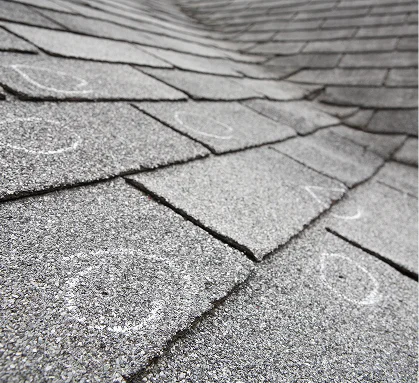
Protect Your Roof Before the Next Storm
Hailstorms are unpredictable, but your roof’s condition doesn’t have to be. Regular inspections can help identify wear and storm damage early, before small issues turn into costly repairs.
Turtle Roofing’s Shell Protection Program is a free proactive monitoring system that helps homeowners stay ahead of storm damage. We alert you if severe weather is expected in your area and provide free inspections if your home is impacted. With Turtle Roofing on your side, you know about problems right away so they can be fixed before they worsen.
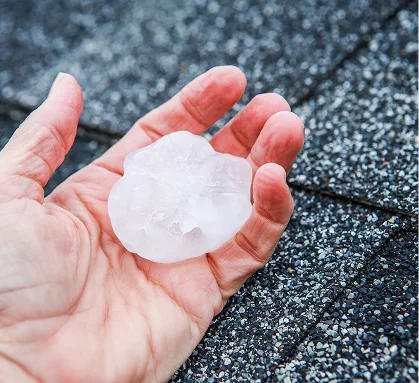


How Hail Affects Different Types of Roofing Materials
Not all roofs respond to hail in the same way. The size of the hailstones, wind speed during the storm, and the age of your roofing materials all play a role in how much damage occurs. Some materials may show visible dents immediately, while others can hide structural damage that develops into leaks months later.
Asphalt Shingle Roofs

Asphalt shingles are the most common residential roofing material, and they’re designed to handle normal weather conditions. However, hail can weaken the protective surface of the shingles. Common hail damage to asphalt shingles includes:
- Granule Loss: Hail knocks protective granules off the surface, exposing the asphalt layer beneath
- Bruising or Soft Spots: The impact can create hidden fractures that weaken the shingle
- Cracking or Tearing: Larger hailstones may break or split shingles completely
- Accelerated Aging: Once the protective surface is compromised, shingles deteriorate faster
When shingles lose granules or develop impact bruising, they become far more vulnerable to water intrusion and premature failure.
Metal Roofs
Metal roofs are known for their durability and long lifespan, but hail can still affect their appearance and performance depending on the severity of the storm. Potential hail damage to metal roofing includes:
- Denting or Cosmetic Damage: Hail impacts can create visible dents in metal panels
- Coating Damage: Protective finishes can be chipped or scratched
- Seam or Fastener Issues: Severe hailstorms may loosen fasteners or stress panel seams
While some metal roof damage may be cosmetic, significant impacts can affect the integrity of the roofing system and should be evaluated by a professional.
Wood Shake Roofs
Wood shake roofing provides a natural, textured look that many homeowners love. However, wood is more vulnerable to direct impact from hailstones. Hail damage to wood shake roofs may include:
- Splitting or Cracking: Hail can split shakes along the grain
- Surface Fractures: Small cracks can allow moisture to penetrate the wood
- Broken Edges or Corners: Repeated impacts may chip or break sections of the shakes
Once wood shakes are cracked or broken, moisture intrusion and rot can begin to develop over time if repairs are not made.
Tile Roofs
Clay and concrete tile roofs are extremely durable, but hail can still cause damage under the right conditions, especially with larger hailstones. Common hail-related issues include:
- Cracked Tiles: Impact can create fractures that compromise the tile’s strength
- Chipped Edges: Even minor chips can allow water to reach the underlayment
- Broken Tiles: Larger hailstones can break tiles completely
Because tile systems rely on proper layering and underlayment protection, even small cracks can lead to moisture problems beneath the surface.
Slate Roofs
Slate is one of the most durable roofing materials available and can last for decades. However, because it is a natural stone, it can still crack when struck by large hail. Potential hail damage to slate roofing includes:
- Fractured Slate Tiles: Strong impacts can break individual pieces
- Corner Breakage: Edges and corners are particularly vulnerable
- Hidden Cracks: Hairline fractures may worsen over time with freeze-thaw cycles
Slate repairs require specialized expertise to ensure the roof maintains its structural integrity and appearance.
Professional Hail Damage Repair for All Roofing Systems
No matter what type of roof your home has, the most important step after a hailstorm is knowing exactly what condition it’s in. Turtle Roofing performs a thorough inspection, documents any storm damage, and explains what we find in clear, straightforward terms.
If hail damage roof repairs are needed, we’ll guide you through the next steps and help you understand how the insurance process works. If your roof is still in good shape, you’ll gain peace of mind knowing your home is protected. Either way, you’ll have a trusted local team on your side, focused on helping you make the right decision for your home.