
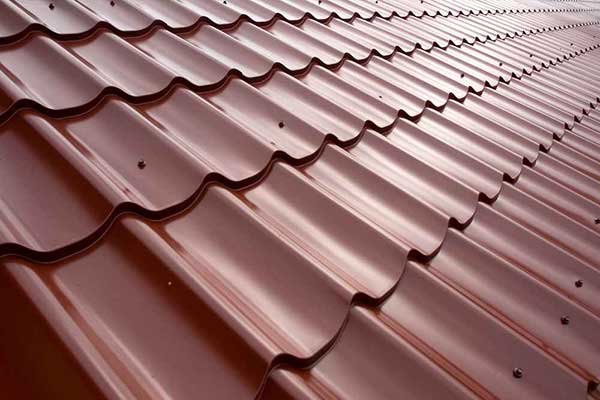
Metal roofs have many distinct advantages over other roofing materials. A metal roof reflects solar heat instead of absorbing it, which keeps more heat out of your attic and can bring down your energy costs through the hottest months.
If you’re asking are metal roofs energy efficient before you replace your existing roof, the short version is that metal roofing systems tend to outperform asphalt shingles and most other roofing materials when it comes to heat absorption, and the savings show up on your energy bills year after year.
While metal costs more upfront than an asphalt roof. The energy saving benefits are a big part of why it pays off over time. Here’s how it works and what to look for.
Are Metal Roofs More Energy Efficient Than Other Roofing Materials?
For most homes, yes. Your roof takes the brunt of the sun’s energy all day, and what it does with that energy decides how hard your air conditioning has to work.
Traditional asphalt shingles, especially dark ones, absorb a lot of the sun’s heat and pass it into the attic. That adds to your cooling energy needs and your overall energy consumption. Energy-efficient metal roofing reflects heat back out instead. Homeowners can see cooling costs drop by roughly 10% to 25% with a metal roof, depending on the home, the climate and the roof color.
It also helps to know the two properties behind this:
- Solar reflectance is how much sunlight the surface bounces back. Higher solar reflectivity means less heat gets in.
- Thermal emittance is how well the roof radiates heat it has already absorbed. A roof that radiates heat quickly cools off faster once the sun drops.
A good energy efficient roof does both well, and that combination is what gives metal roof energy efficiency its edge over traditional roofing materials.
Cool Metal Roofs and Reflective Pigments
Bare metal reflects a lot of sunlight, but the real performance comes from the finish. Modern paint systems for metal roofing panels use cool roof pigments, also called reflective pigments, that bounce back infrared light you can’t even see. That’s what makes a cool metal roof different from a standard painted one.
This matters for metal roof colors. Light gray and other light shades reflect more sunlight, but cool metal finishes let darker colors perform much better than a regular dark roof would. You can match your natural surroundings or your neighborhood and still get a reflective roof that reflects solar heat.
There’s a wider benefit, too. Reflective roofs reduce the urban heat island effect, where roofs and pavement hold heat and make whole neighborhoods hotter.
How Metal Compares to Other Roofing Materials
Metal Panels
Metal panels are available in standing seam systems with raised seams, or in other profiles, and they come with reflective finishes built to last.
Asphalt Shingles
Asphalt shingles are affordable, but they hold heat. Petroleum based asphalt shingles are dark by nature, so heat absorption is high, and an asphalt roof usually needs to be replaced sooner.
Clay Tiles
Clay tiles are heavy, and they can help with heat through thermal mass, but they need extra structural support and cost more to install.
Wood Shakes
Wood shakes have a natural look, but they require more maintenance and are weaker on fire resistance and longevity.
Stone Coated Steel
Stone coated steel is a metal option with a granular finish that looks like tile or shake while keeping the performance of steel.
Installation Details That Affect Overall Energy Efficiency
The material is only part of it. How the roof is built has a lot to do with overall energy efficiency.
- Air gap and ventilation. Above sheathing ventilation creates an air gap between the metal and the roof deck. Hot air moves out through that space, which helps with preventing heat buildup. Some installs use solar venting or ridge venting as well. Direct to deck installations are simpler, but they don’t give you that airflow, so the choice depends on your home and your goals.
- Insulation and air sealing. Proper insulation and good air sealing in the attic matter just as much as the roof. A reflective roof can’t make up for air leaks and thin insulation.
- Thermal bridging. Metal conducts heat, so fasteners and framing can create thermal bridging if the assembly isn’t designed well. A good installer plans for it with the right underlayment and details.
When the roofing material and the installation work together, energy performance improves, and that’s where the lower utility bills come from.
Metal Roofs and Solar Panels
If you’re planning on a solar system, metal is a good match. Standing seam systems let installers clamp solar panels to the raised seams without drilling through the metal, which protects the roof from leaks. A metal roof also lasts long enough that you won’t have to pull the panels off for a re-roof partway through their life.
Environmental Impact and Maintenance
An energy efficient home usually has a smaller carbon footprint, and metal helps there too. Metal roofing is made with recycled materials, and the amount depends on the product. When the roof finally reaches the end of its life, it’s recyclable at the end instead of going to a landfill, which isn’t true of most asphalt roofs.
Metal roofs require minimal maintenance. Any roof should be looked at regularly, but a metal roof doesn’t need the repairs and replacements that traditional shingles do. That keeps more money in your pocket over the life of the roof.
Coatings for an Existing Metal Roof
If you already have a metal roof, a reflective coating can extend its life and improve its reflectivity, which means less heat absorption and more savings. Common options include:
- Acrylic: Elastomeric acrylic coatings are highly reflective and help prevent rust. They flex with the metal as it expands and contracts, they’re sprayed on quickly, and they work in most climates at a reasonable cost.
- Silicone: Good in wet conditions and holds up to ponding water, with strong UV resistance.
- Polyurea: Offers abrasion resistance, corrosion protection, chemical resistance and waterproofing, and is common on metal roofs.
Which one fits depends on your roof’s condition and slope, so it’s best to have a roofer look at it first.
Talk to Turtle Roofing About Metal Roofing
Are metal roofs energy efficient? Absolutely.
A metal roof can cut your energy bills, last for decades and look the way you want it to. Our team can walk you through metal roofing systems, finishes and colors, and tell you honestly whether metal is the right fit for your home. Learn more about our metal roofing services, or contact Turtle Roofing to schedule your free consultation.