
When it comes to protecting your home from storm damage, especially here in Nebraska and Iowa, the strength of your roofing material matters more than ever. You’ve probably heard the buzz around Class 4 shingles—but are they really worth the extra investment?
Let’s break down what Class 4 shingles actually are, how they’re tested, and why they may be one of the smartest home upgrades you can make.
Let’s Cut to the Chase: Are Class 4 Shingles Worth It?
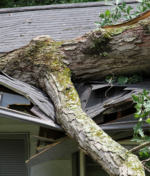
The verdict is in, and yes, Class 4 shingles are worth it. Class 4 shingles offer protection, peace of mind, and long-term value. If your current roof is due for replacement, or you’ve recently experienced storm damage, investing in Class 4 may be the smartest decision you make for your home.
What Are Class 4 Shingles?
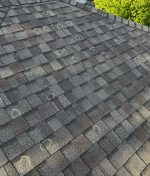
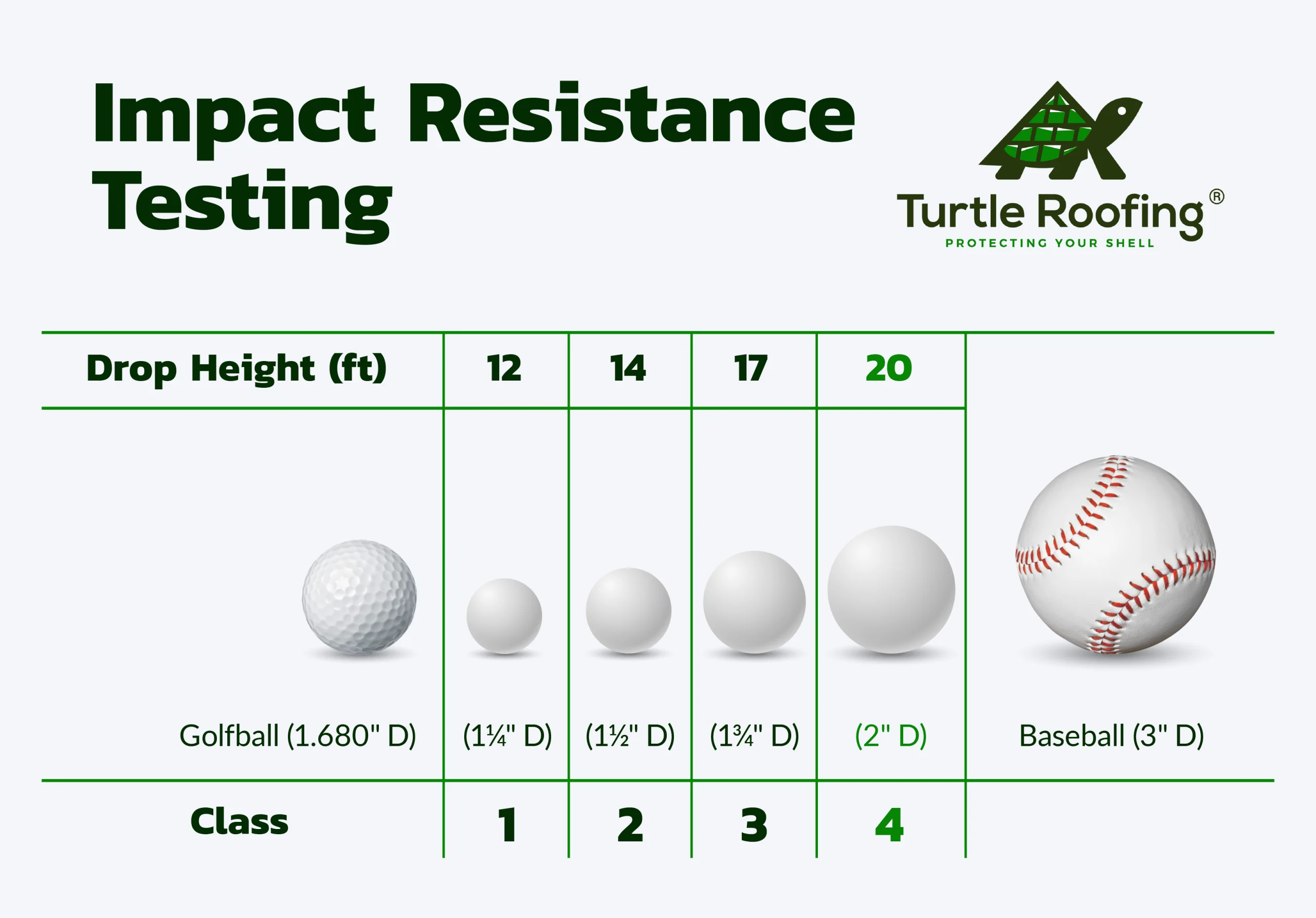
The term “Class 4” refers to a shingle’s impact resistance rating, based on standardized testing by Underwriters Laboratories (UL). The higher the class, the more impact the material can withstand—especially from hail, which is a common threat in our region.
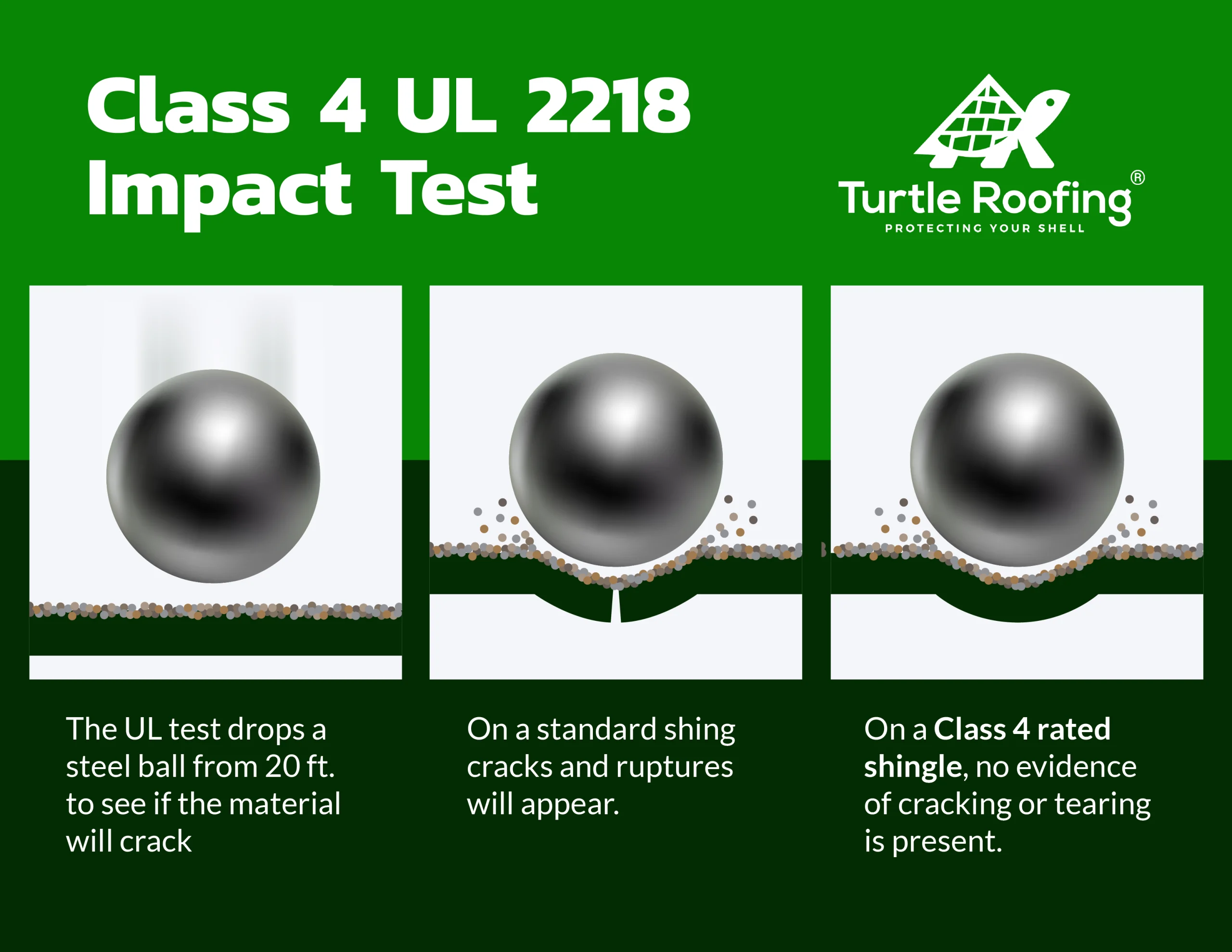
The UL 2218 test uses steel balls dropped from specific heights to simulate hail. A Class 4 shingle survives a 2-inch steel ball dropped from 20 feet—without cracking.
“Class 4 shingles are built to withstand the worst nature can throw at your roof.” – Turtle Roofing
What Makes a Shingle “Class 4”?
To earn the highest rating, Class 4 shingles must resist cracking or rupturing during these simulated hail impacts. Here’s what gives them an edge:
- Reinforced asphalt or composite materials
- Thicker construction layers
- Enhanced granule adhesion
- Durability against both hail and wind uplift
What Makes Class 4 Shingles Worth the Investment?
Let’s talk dollars and cents.
While Class 4 shingles cost more upfront, they can easily pay for themselves in the long run through:
- Fewer repairs after storms
- Longer lifespan (often 30–50% longer than standard shingles)
- Improved home resale value
- Potential insurance premium discounts
Here’s a quick comparison:
| Feature | Standard Shingles | Class 3 | Class 4 (High Impact) |
|---|---|---|---|
| Hail Resistance | Low | Moderate | Excellent |
| Wind Rating | Up to 60 mph | 80–90 mph | 110+ mph |
| Insurance Discounts | None | Some | Common (varies by carrier) |
| Avg. Lifespan | 15–20 years | 20–25 years | 30+ years |
Insurance Benefits of Class 4 Shingles
Many major insurance carriers offer discounts for homes protected by Class 4-rated roofing materials. Why? Because they reduce claims, meaning fewer payouts. We recommend talking to your insurance company to see if you qualify for a lower premium after installation. Many homeowners find the savings help offset the upfront cost of the upgrade over time.
What Else to Know About Class 4 Shingles
At Turtle Roofing, we believe you deserve as much information as possible before making a decision as important as the type of roof over your head. Some more important things to know before installing a Class 4 shingle roof include:
How Class 4 Shingles Perform in the Winter
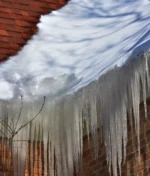
Class 4 shingles are usually modified with SBS rubber polymers or reinforced with heavy-duty backing mats, helping them withstand winter conditions exceptionally well. In areas that experience severe winters, Class 4 shingles offer greater winter protection than many other roofing materials. The added flexibility helps them resist cracking during freeze-thaw cycles, when standard shingles are more likely to become brittle and break.
The Quality of the Installation is Just as Important as the Shingle Quality
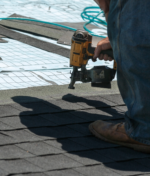
Choosing the right roofing material for your home is crucial; so is the company you choose to install it, though. Class 4 shingles can only work as well as they’re installed, and even the toughest shingle can fail early if it’s nailed incorrectly or paired with poor ventilation. Working with an experienced, reputable roofer helps ensure your investment delivers the full protection and lifespan it was designed for.
Not All Class 4 Shingles Are Made the Same Way
While every Class 4 shingle passes the same impact test, manufacturers use different methods to earn that rating. Some rely on SBS rubber polymers for flexibility, others use reinforced backing mats, and some are made from synthetic composite materials instead of asphalt. These differences can affect how a shingle feels, ages, and performs in your climate, so it’s worth asking your roofer which type they recommend and why.
Class 4 Shingles Come in More Styles and Colors Than You Might Expect
Many homeowners assume impact-resistant roofing means giving up curb appeal, but that’s rarely the case today. Most Class 4 options look just like standard architectural shingles, and some are designed to mimic the appearance of slate or cedar shake. With a wide range of colors available, you can find a durable roof that complements your home’s exterior without sacrificing the look you want.
Ready to Upgrade? Talk to Turtle Roofing About Installing Class 4 Shingles in the Omaha Metro Area
Schedule a free inspection with Turtle Roofing today to find out if your home qualifies for Class 4 protection—and learn about your insurance savings potential.
Call us or schedule your inspection online. At Turtle Roofing, we understand that the protection of your home is your top priority. We offer the roofing services you need to protect what matters most.
Frequently Asked Questions About Class 4 Shingles
How can I tell if my roof already has Class 4 shingles?
Impact ratings aren’t visible on the shingles themselves, so the easiest way to confirm is by checking your installation paperwork or the original product information. If you don’t have those records, a roofing professional can inspect your roof and help identify the product.
How much more do Class 4 shingles cost than standard shingles?
The price difference depends on the specific product, your roof’s size, and its complexity. A roofing contractor can give you an accurate estimate and help you weigh the upfront cost against potential long-term savings.
Do I need to replace my entire roof to qualify for an insurance discount?
In most cases, insurers require the full roof to be covered with Class 4-rated materials before a discount applies. Requirements vary by carrier, so it’s best to confirm the details with your provider before starting the project.
Can Class 4 shingles be installed over my existing roof?
Installing new shingles over an old layer can affect how well they perform and may impact warranty coverage or insurance eligibility. A full tear-off is typically recommended so your new roof gets a clean, solid foundation.