

Nebraska homeowners know what a spring storm can do to a roof. Hail the size of golf balls, straight-line winds over 60 miles per hour, and the kind of weather that shows up with little warning. After a storm like that, the question most homeowners ask first is simple: does insurance cover roof replacement?
The answer is usually yes, but it depends on a few specific details about your homeowners insurance policy and your roof. Every policy reads a little differently, and your insurance company is the only one who can tell you exactly what yours covers.
The good news is you don’t have to figure this out alone. What Turtle Roofing can do is help you understand your roof, walk you through what a claim typically involves, and make the whole roof replacement process feel a lot less confusing.
Does Homeowners Insurance Cover Roof Replacement?
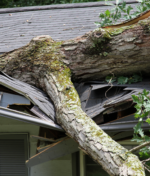
Most standard homeowners policies in Nebraska do cover roof damage and repair or replacement costs when the damage comes from a covered peril. Wind or hail damage, and other storm-related roof damage are the most common causes that qualify.
Does homeowners insurance cover roof replacement for every situation, though? Not quite. Damage from age, poor maintenance, or a roof that was already past its expected lifespan typically falls outside of coverage.
Insurance is built to cover sudden, accidental damage from a covered event. It isn’t designed to pay for a roof that simply wore out over 20 years.
Factors Insurance Companies Consider for a Roof Replacement Insurance Claim
Several factors influence whether a roof replacement insurance claim moves forward smoothly or gets delayed. Understanding these ahead of time helps you know what to expect.
Cause of Damage
Adjusters look closely at what actually caused the damage. Hail bruising, wind-lifted shingles, and impact from debris are typically covered. Gradual wear, missing granules from age, or damage from lack of maintenance usually are not.
Extent of Damage
Insurance companies also look at how much of the roof is actually affected. A few damaged shingles in one section may only qualify to cover roof repair or partial replacement, while damage spread across multiple slopes is more likely to support a full roof replacement. Some Nebraska insurers also apply matching requirements, which can affect whether they cover a full replacement even when the damage itself is limited to one area.
Roof Age and Condition
A 5-year-old roof and a 25-year-old roof can experience the same storm and receive very different claim outcomes. Older roofs are more likely to be evaluated for pre-existing wear rather than storm impact alone.
Maintenance History
Insurers may ask whether the roof was properly maintained. Clogged gutters, ignored leaks, or skipped inspections can all factor into how an adjuster interprets the damage they find.
Signs Your Roof May Qualify for a Claim
Storm damage isn’t always visible from the ground. A roof can look fine from the driveway and still have hail bruising, lifted shingles, or a compromised seal that only shows up once someone gets up close.
Knowing the difference between storm damage and normal wear can save you the time and hassle of filing a roof damage claim that’s unlikely to be approved.
Signs That Point to Storm Damage
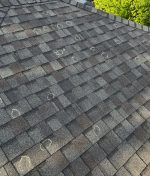
- Dented, bruised, or missing shingles, often in a random, scattered pattern rather than one concentrated spot
- Granule loss collecting in gutters or at the base of downspouts
- Cracked, curled, or lifted shingles, especially on the side of the roof that faced the wind
- Soft spots or sagging in the roof deck
- Dented gutters, vents, or flashing, which often confirm hail impact even when the shingles look intact
- Water stains on ceilings or in the attic that appeared suddenly after a storm
Signs That Are More Likely Wear and Tear
- Granule loss that’s spread evenly across the whole roof rather than after one specific event
- Shingles that are brittle or cracking from age and sun exposure
- Roof leaks near old flashing or vents with a history of minor drips
- A roof that’s already near or past its expected lifespan, even if a storm just passed over it
That second list matters as much as the first. Insurance coverage applies to sudden damage from a specific event, not the general aging process. Filing a claim for damage that’s really just wear and tear can lead to a denial, and it’s worth knowing the difference before you call your insurance company.
Filing a Roof Insurance Claim: What Comes Next
The storm passes, the sky clears, and you walk outside to check on things. Maybe you spot a few shingles in the yard, or dents across the driveway from hail. That’s usually the moment the claim process begins, even if you don’t file anything that same day.
Filing a roof insurance claim doesn’t have to feel complicated once you know how it goes. Once you spot damage, here’s what usually comes next:
- Schedule a roof inspection with a roofing contractor to confirm what you’re dealing with.
- Document the damage and contact your insurance company.
- An adjuster is scheduled to inspect the roof in person.
- The adjuster determines the cause of damage and estimates the cost.
- Your insurer approves, denies, or partially approves the claim.
- If approved, you receive funds to move forward with repair or replacement.
Every insurance company handles timing a little differently, but this general flow holds true across most Nebraska carriers.
What to Expect From Turtle Roofing During a Claim
Insurance conversations can feel intimidating, especially when you’re not sure what an adjuster is looking for. Our goal is for you to feel prepared, not caught off guard. We’ve inspected roofs across Nebraska for over 14 years, and we know what adjusters typically flag.
We don’t represent homeowners in their claims. What we do is walk the roof alongside you, point out what we find, and make sure you understand it in plain terms before you talk to your insurer. That means fewer surprises during your adjuster’s inspection and a clearer picture of what your policy is likely to cover.
You’re not up against your insurance company, and you shouldn’t feel that way. Most claims move forward without conflict when the damage is documented clearly and the roof’s condition is well understood from the start.
What Happens After a Claim Is Approved
Once your roof replacement insurance claim is approved, the real work begins. This is where material choice, workmanship, and communication matter most. A rushed installation can undo the benefit of a well-handled claim just as easily as a denied one.
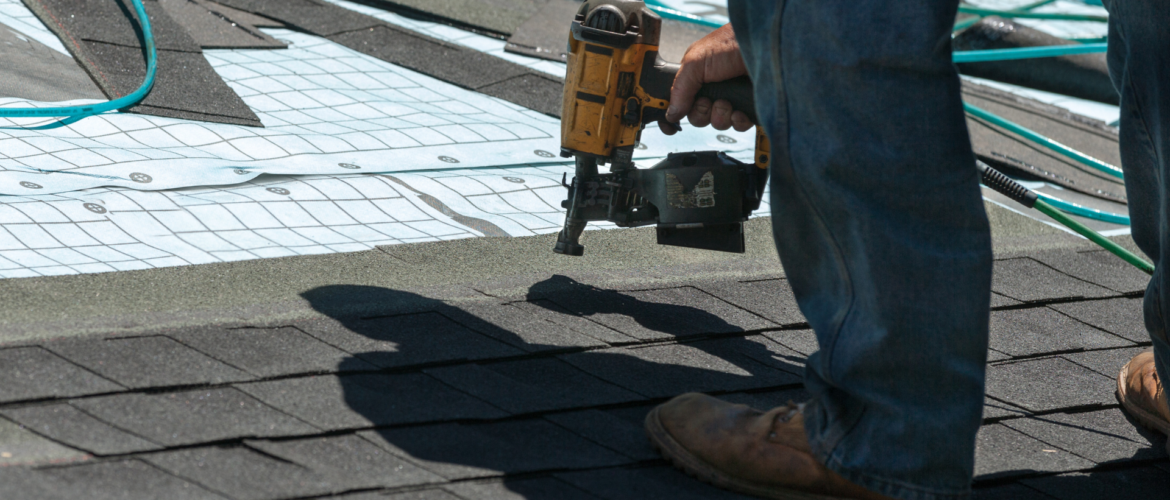
We design the project with you, explain the materials being used, and complete the work according to manufacturer specifications. Every roof we install is backed by the same standard, whether it’s a full replacement after storm damage or a planned upgrade.
Start With a Free Inspection
If a recent storm has you wondering whether your roof qualifies for coverage, the best first step is an inspection. You’ll know exactly where your roof stands, what caused any damage, and what your options are before you make any decisions with your insurance company.
Schedule a free inspection with Turtle Roofing today. We’ll walk the roof with you, explain what we find, and help you feel confident about what comes next.